
What Is A Gastric Bypass?
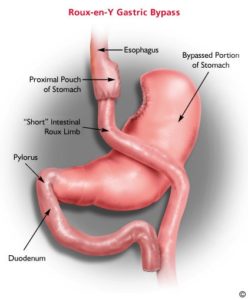
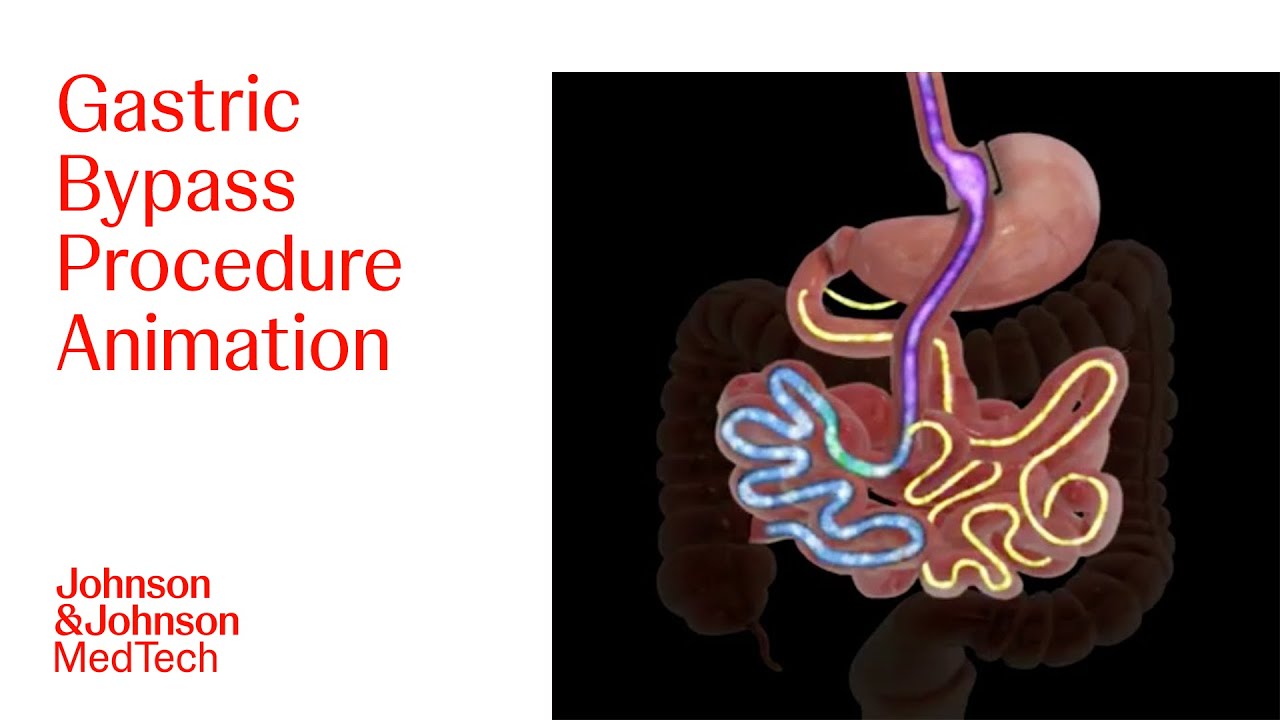
Laparoscopic Gastric Bypass (LGB) surgery makes the stomach smaller and allows food to bypass part of the small intestine. It is the longest-practiced and best-researched weight loss surgery, and is the gold-standard procedure for bariatric surgery. The stomach is made smaller by creating a pouch at the top of the stomach. The smaller stomach is then connected directly to the middle portion of the small intestine, bypassing the rest of the stomach and the upper portion of the small intestine, thus reducing the amount of calories the body can absorb. Patients having gastric bypass usually go home the first day after surgery and resume normal activity within 2-3 weeks, the same as those undergoing a Laparoscopic Vertical Sleeve Gastrectomy.
What Are The Risks Of A LGB?
The LGB has more risks compared to the Vertical Sleeve Gastrectomy including bleeding (2%), infection (2%), bowel obstruction (3%), ulcer (1-16%), and stricture (3-5%), but does have better long-term weight loss and resolution of comorbidities.

The LGB also creates anatomical alterations that require lifelong vitamin supplementation and avoidance of smoking. Dumping syndrome — dizziness, fatigue, sweating, and abdominal pain related to eating too much — occurs in up to 50% of patients but is temporary in nature. In experienced hands, a LGB can be an excellent option for select patients, especially those with multiple disease associated with obesity including diabetes, hypertension, sleep apnea, and many more. A more comprehensive discussion of the risks and benefits of gastric bypass is covered in depth in our information seminars and in consultation with one of our surgeons.
Consult With Our Top Surgeons!
If you have any questions about LGB or if you wish to determine whether you are a candidate for the procedure, please call 504-349-6860 or fill out the Email Contact Form below. Our team of accomplished doctors look forward to serving you!